Why Light Weight Aluminum Foundries Are Vital To the Expanding Electric Car Market
Aluminum factories play a pivotal function in the electric lorry industry by giving lightweight and resilient components. These materials contribute considerably to vehicle efficiency and performance. The cutting-edge casting strategies utilized by factories permit detailed designs that boost both aerodynamics and thermal management. As sustainability ends up being a priority, the change to recycled light weight aluminum and energy-efficient approaches elevates essential inquiries regarding the future landscape of EV manufacturing and its ecological impact.
The Function of Aluminum in Electric Vehicle Design
As electrical automobile manufacturers seek to enhance efficiency and effectiveness, light weight aluminum has become an important product in vehicle style. Its lightweight nature adds considerably to the general decrease of vehicle mass, which is vital for maximizing battery performance and prolonging array. Aluminum is likewise very malleable, enabling detailed designs that enhance the rules of aerodynamics and visual appeal. Its exceptional corrosion resistance warranties longevity, decreasing the demand for upkeep with time. Light weight aluminum's thermal conductivity help in effective warm administration systems, crucial for electrical drivetrains and battery longevity. These qualities make aluminum a recommended selection for various components, including chassis, body panels, and battery enclosures. As the industry advances, aluminum factories play an essential duty in providing top quality products customized for innovative manufacturing processes, thereby sustaining the recurring innovation in electric car technology. This harmony in between light weight aluminum and electric automobile style emphasizes the product's indispensable placement in contemporary automotive design.
Advantages of Lightweight Products for EV Performance
Weight reduction is a crucial consider enhancing electrical vehicle (EV) performance. Lighter materials, such as aluminum, play a substantial duty in this situation by boosting effectiveness and prolonging the lorry's range. When an EV weighs less, it requires less energy to speed up and maintain rate, therefore enhancing battery usage. This performance not only enhances efficiency however likewise adds to quicker billing times and minimized energy consumption.
Lightweight products improve dealing with and responsiveness, making the driving experience extra satisfying. They also allow developers to develop more wind resistant shapes, additionally decreasing drag and boosting overall effectiveness. In addition, using light-weight materials can cause reduced production expenses and raised sustainability, as they typically call for less power to manufacture. Eventually, incorporating lightweight materials in EV layout is vital for attaining the performance goals needed to compete in a progressively demanding auto market.
Developments in Light Weight Aluminum Casting Techniques
Recent innovations in light weight aluminum casting techniques are transforming the production procedure for electrical vehicle elements. Advancements such as high-pressure die casting and steel injection molding enable the manufacturing of complex geometries with improved toughness and decreased weight. These approaches permit for tighter tolerances and improved surface area coatings, which are important for EV performance and aesthetics.
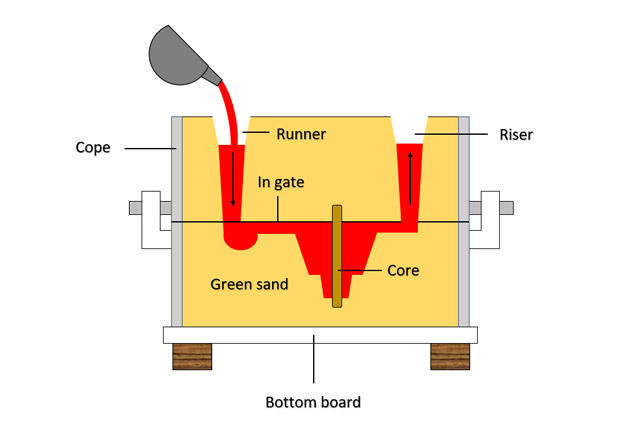
These innovations check my blog not only support the need for lightweight elements yet also boost the overall sturdiness and safety of electric vehicles. As the industry proceeds to evolve, these improvements in aluminum spreading are readied to play a critical duty in fulfilling the needs of modern-day vehicle style and production.
Sustainability and the Future of Aluminum Foundries
While the need for electrical vehicles rises, aluminum foundries encounter journalism difficulty of adopting lasting techniques to lower their ecological footprint. The industry is significantly looked at for its energy-intensive processes and carbon discharges. To address these problems, shops are checking out cutting-edge approaches such as making use of recycled aluminum, which requires significantly less power than producing brand-new aluminum from ore. Additionally, the combination of sustainable energy resources, like solar and wind, is ending up being more common in aluminum production.
Investments in advanced innovations, such as electric heating systems and energy-efficient casting techniques, likewise play a crucial duty in enhancing sustainability. In addition, cooperation with automobile manufacturers can ensure that the whole supply chain focuses on environmental duty. As the electric vehicle market remains to expand, light weight aluminum foundries that welcome these lasting practices will certainly not just fulfill regulatory needs yet likewise position themselves as leaders in an increasingly eco-conscious market.
Case Researches: Effective Applications of Light Weight Aluminum in EVs
As electric lorry makers seek to improve efficiency and performance, the critical use aluminum has actually emerged as a vital consider successful car style. Notable situation research studies show this trend. For circumstances, Tesla's Design S utilizes light weight aluminum thoroughly in its chassis and body, significantly minimizing weight while keeping architectural honesty. This choice not just boosts acceleration and variety however also improves security functions.
In a similar way, Ford's F-150 Lightning includes light weight aluminum to attain a reduced general weight, enabling raised payload ability and better power efficiency. The car's light weight aluminum body panels and frame contribute to a robust yet lightweight framework, promoting improved performance
Furthermore, Audi's e-tron showcases aluminum's versatility, utilizing it in both the lorry's body and battery real estate, improving thermal monitoring and longevity. These instances show just how light weight aluminum's special residential properties are being leveraged across the electric vehicle industry, setting benchmarks for advancement and sustainability.
Frequently Asked Concerns
What Kinds Of Aluminum Alloys Are Typically Used in EV Manufacturing?
Typically used aluminum alloys in electrical vehicle production consist of 6061, 7005, and 2024. These alloys provide a mix of toughness, lightweight homes, and deterioration resistance, making them suitable for various parts within electrical lorries.
How Do Light Weight Aluminum Foundries Influence Local Economies?
Aluminum shops greatly boost regional economies by creating jobs, boosting associated industries, and drawing in financial investments - Precision aluminum casting. Their operations cause raised demand for materials and services, promoting development and security within the surrounding visit the website communities
What Are the Security Considerations of Making Use Of Aluminum in EVS?
Security factors to consider of using light weight aluminum in electrical lorries include its flammability, architectural integrity under effect, and possibility for rust. Appropriate alloy option and treatment procedures are vital to guarantee performance and safety during lorry procedure.

How Does Aluminum Recycling Influence the Sector?
Light weight aluminum recycling substantially profits the market by decreasing manufacturing prices, reducing ecological influence, and conserving energy. This sustainable method boosts source effectiveness, sustaining the growth of electric company website automobiles and advertising a round economic situation within the vehicle field.
What Are the Labor Needs for Light Weight Aluminum Foundries in EV Production?
Labor requirements for light weight aluminum foundries in electrical vehicle manufacturing include proficient professionals for casting, designers for design and optimization, and safety and security workers. Additionally, training in recycling processes improves performance and sustainability in the manufacturing chain.
Light weight aluminum factories play a critical function in the electric vehicle industry by giving light-weight and durable components. As electric vehicle manufacturers look for to improve performance and efficiency, aluminum has emerged as an important material in automobile style. As the industry evolves, light weight aluminum foundries play an essential role in providing high-quality products tailored for innovative production processes, thereby sustaining the continuous innovation in electrical vehicle technology - aluminum casting. To address these issues, foundries are exploring innovative methods such as using recycled light weight aluminum, which needs substantially much less power than producing brand-new light weight aluminum from ore. As electrical lorry manufacturers seek to improve efficiency and effectiveness, the strategic use of light weight aluminum has arised as an essential variable in successful automobile design